
About This Mission
This mission is designed as a working brigade, not a traditional trip.
Participants work alongside local musicians, families, and community partners to deliver practical resources and support. Each person contributes directly through transporting supplies, assisting with distribution, and taking part in on-site workshops.
The work is focused and intentional. That includes setting up solar cooking systems, delivering music and medical materials, and engaging in conversations that help guide future support.
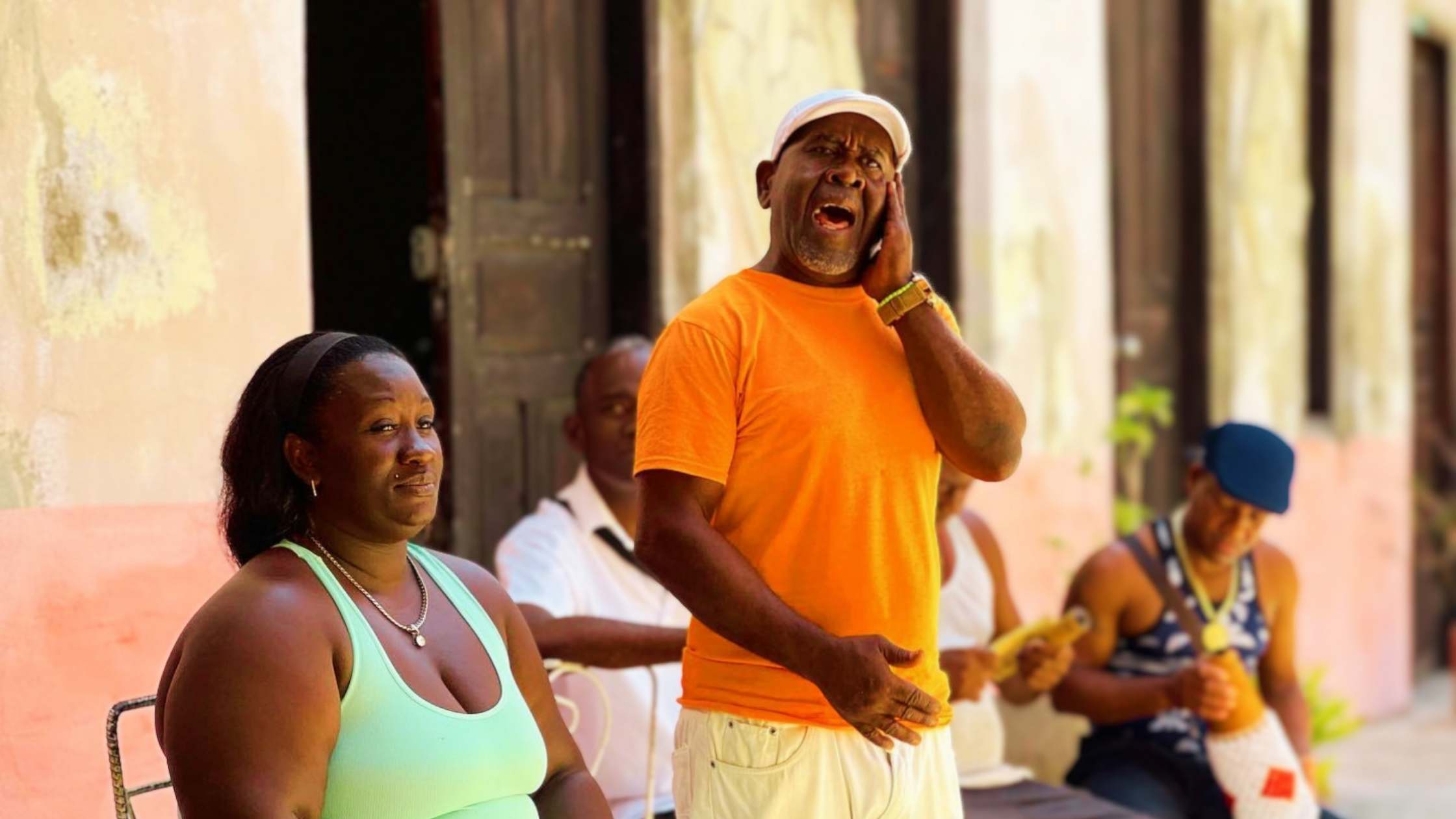
At the same time, there is space for cultural exchange. Time is spent with artists in their own environments, not staged settings, allowing for real connection and mutual understanding.
This is not a service or concierge style trip, it is designed to be useful, productive, respectful, and grounded in collaboration.
WHY THIS MISSION EXISTS
In Santiago and Guantánamo, many musicians and families face ongoing limitations in access to:
– Reliable cooking fuel
– Stable electricity
– Basic medical supplies
– Instrument maintenance resources
This mission focuses on practical solutions, including solar cooking systems, small-scale energy access, and direct support for music communities.
The goal is not short-term aid, but long-term usability and shared community benefit.
Partnership & Logistics
The CreatiVrole Project leads the mission design, including the aid strategy, community partnerships, and overall program focus. Havana Music Tours serves as the operational partner, managing all on-the-ground logistics and ensuring the trip is structured, compliant, and professionally executed.
Havana Music Tours coordinates accommodations, transportation, local staffing, and daily scheduling. Participants stay in carefully selected private casas, and all travel within Cuba is arranged through trusted local drivers and coordinators. The team on the ground includes musicians, educators, and community partners who are directly involved in the mission work.
From arrival to departure, logistics are fully managed, allowing participants to focus on the work itself rather than navigating travel details. All activities are organized in advance to align with authorized travel requirements while supporting practical, community-based impact.
Sample Itinerary
Santiago de Cuba & Guantánamo
This mission is intentionally aligned with the Festival del Caribe (Fiesta del Fuego) in Santiago de Cuba, allowing participants to engage with artists, cultural leaders, and communities during one of the most important gatherings of Caribbean culture. Each day combines structured mission work with direct exposure to the cultural context that informs and sustains these communities.
Participants arrive at Santiago de Cuba (SCU) airport and transfer via private transportation to local casas.
In the evening, the group enters the active period of the Festival del Caribe (Fiesta del Fuego). This first exposure serves as a working orientation, allowing participants to observe the artists, delegations, and communities that are part of the mission’s broader aid network.
The day begins with a visit to the Casa de la Trova, where participants meet with retired musicians and legacy artists who represent a vital part of Cuba’s musical tradition.
In the afternoon, the group leads the first Solar Hub workshop. Participants unbox and demonstrate solar ovens with families in the Santiago suburbs, providing practical training on usage, maintenance, and shared community access.
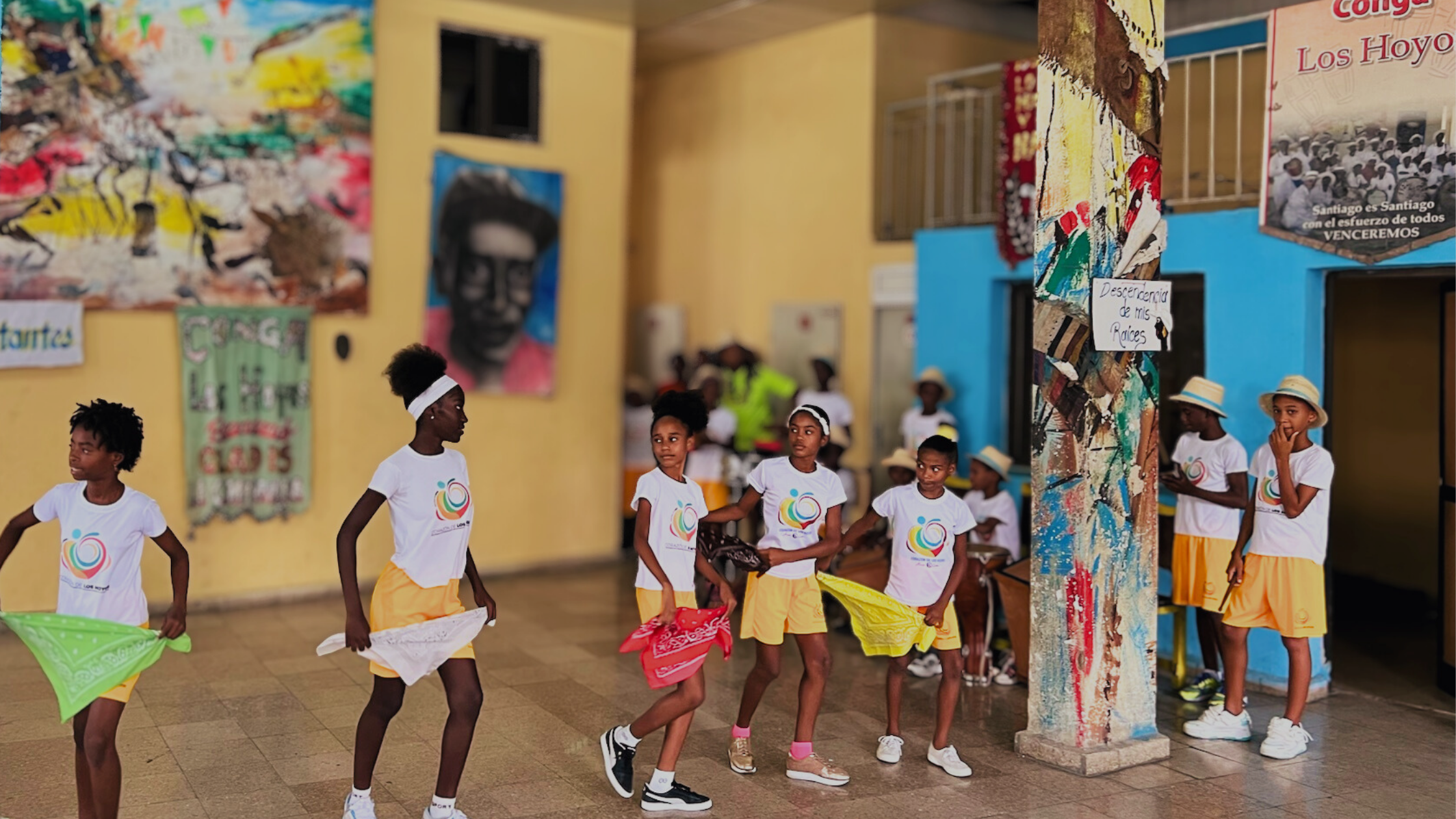
The group travels to Guantánamo City. The day includes a visit to a local music conservatory, where participants distribute music kits consisting of strings, reeds, and tuners.
In parallel, the team identifies and secures a location for the Community Solar Hub, establishing a centralized point for device charging and emergency lighting within the community.
Participants deliver medical aid, including diapers, over-the-counter medications, and vitamins, to a community clinic or home for the elderly in Guantánamo.
In the late afternoon, the group returns to Santiago, re-entering the central festival environment as public cultural events continue across the city.
The mission concludes with a music jam/networking session at a local venue. Take part in a unique event to connect with musicians, creatives, and entrepreneurs.
Participants connect directly with the individuals and communities they have supported throughout the mission. This final gathering also serves as a moment to evaluate impact and most importantly share hope and solidarity.
This day aligns with the closing phase of the Festival del Caribe, including major cultural events such as the Desfile de la Serpiente and the festival’s closing ceremonies.
Participants transfer to Santiago de Cuba airport (SCU) for departure.
MISSION FOCUS AREAS
Solar Cooking Infrastructure
Participants deliver and train families on solar ovens, reducing reliance on gas and unstable utilities.
Music Community Support
Distribution of strings, reeds, tuners, and basic instrument maintenance supplies to working musicians and students.
Community-Based Energy Access
Planning and initial setup of small-scale solar charging points for shared use.
Direct Aid Delivery
Essential items such as diapers, vitamins, and over-the-counter medical supplies are delivered directly to local recipients.
How You Contribute to the Mission
1. Minimum Financial Contribution
A fixed cost of $1,850 per person supports logistics, operations, and direct aid. Any additional donation above $1,850 is tax deductible and goes directly into the support of the trip. For example buying as many solar ovens as possible and installing solar systems wherever possible.
2. Carry-In System
– Each traveler brings at least one checked “Mission Bag” containing:
– Music materials
– Solar equipment
– Medical & Food supplies
3. Active Participation
Participants are involved in:
– Cultural collaboration
– Workshops
– Aid Distribution
PRICING & WHAT’S INCLUDED
- Fixed Cost: $1,850.00 per person.
The “Carry-In” Requirement: Every participant manages one “Mission Bag” (checked) containing solar ovens and designated medical/music supplies.
Includes:
Does not include:
Frequently Asked Questions (FAQs)
This is a working mission. While there are cultural components, including music and community interaction, the primary focus is on participation, contribution, and collaboration with local communities.
The work is active but manageable. Participants should be comfortable with walking, carrying personal luggage, and participating in hands-on activities such as workshops and supply distribution. No specialized physical training is required.
Participants stay in private casas (guesthouses), which are the standard for high-quality travel in Cuba. These accommodations are selected for reliability, cleanliness, and consistent service.
Yes. The mission is structured to comply with authorized categories of travel to Cuba. All activities are organized in advance and align with permitted humanitarian and cultural engagement frameworks.
Each participant is responsible for bringing one checked bag containing mission supplies, including solar equipment, music materials, and basic aid items. Specific packing guidance is provided before departure to ensure everything is organized and compliant.
Yes. Direct interaction is a central part of the mission. Participants work alongside musicians, educators, and families throughout the week, and the mission concludes with a Creative Exchange that allows for meaningful connection and collaboration.