

In early February 2026, the situation in Cuba has shifted from a chronic economic struggle to an urgent humanitarian and cultural crisis. Recent global events—specifically the loss of primary oil shipments from Venezuela and new U.S. executive orders threatening tariffs on any country supplying fuel to the island—have brought the country to a critical breaking point.
As the island faces the possibility of running out of fuel entirely within weeks, the impact is felt most acutely in the spaces where communities gather: their schools, rehearsal halls, and cultural centers.
The Current Reality: A Nation in the Dark
The news from Havana is sobering. In response to the deepening energy deficit, the Cuban government has declared emergency measures, including a mandatory four-day work week for state employees and the suspension of all “non-essential” activities. For the first time in recent history, the University of Havana and numerous primary schools have been forced to shift to remote learning or hybrid models, not because of a pandemic, but because there is simply no electricity to keep the lights on or fuel to transport students.
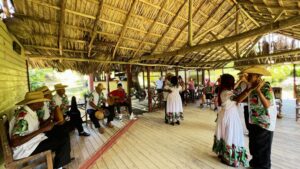
For musicians and artists, the “essential service” of culture is under threat. Rehearsals for major festivals are currently taking place in studios powered by portable generators. Musicians report being unable to pump water in their homes for days, while food prices soar and rationing tightens. When a country’s vital systems—transportation, food production, and schools—are paralyzed by a lack of fuel, the arts often become the first “non-essential” activity to lose formal support, even as they become the most essential source of hope for the population.

Why the Arts Cannot Be “Non-Essential”
While energy and food are the most visible needs, the erosion of cultural infrastructure has long-term consequences. In Cuba, music is the infrastructure of identity. It is the primary way that history is recorded and that the youth find a path toward professional stability.
When schools close or rehearsal spaces go dark:
- Generational Gaps Form: The mentorship between the “Old Guard” and the next generation is interrupted.
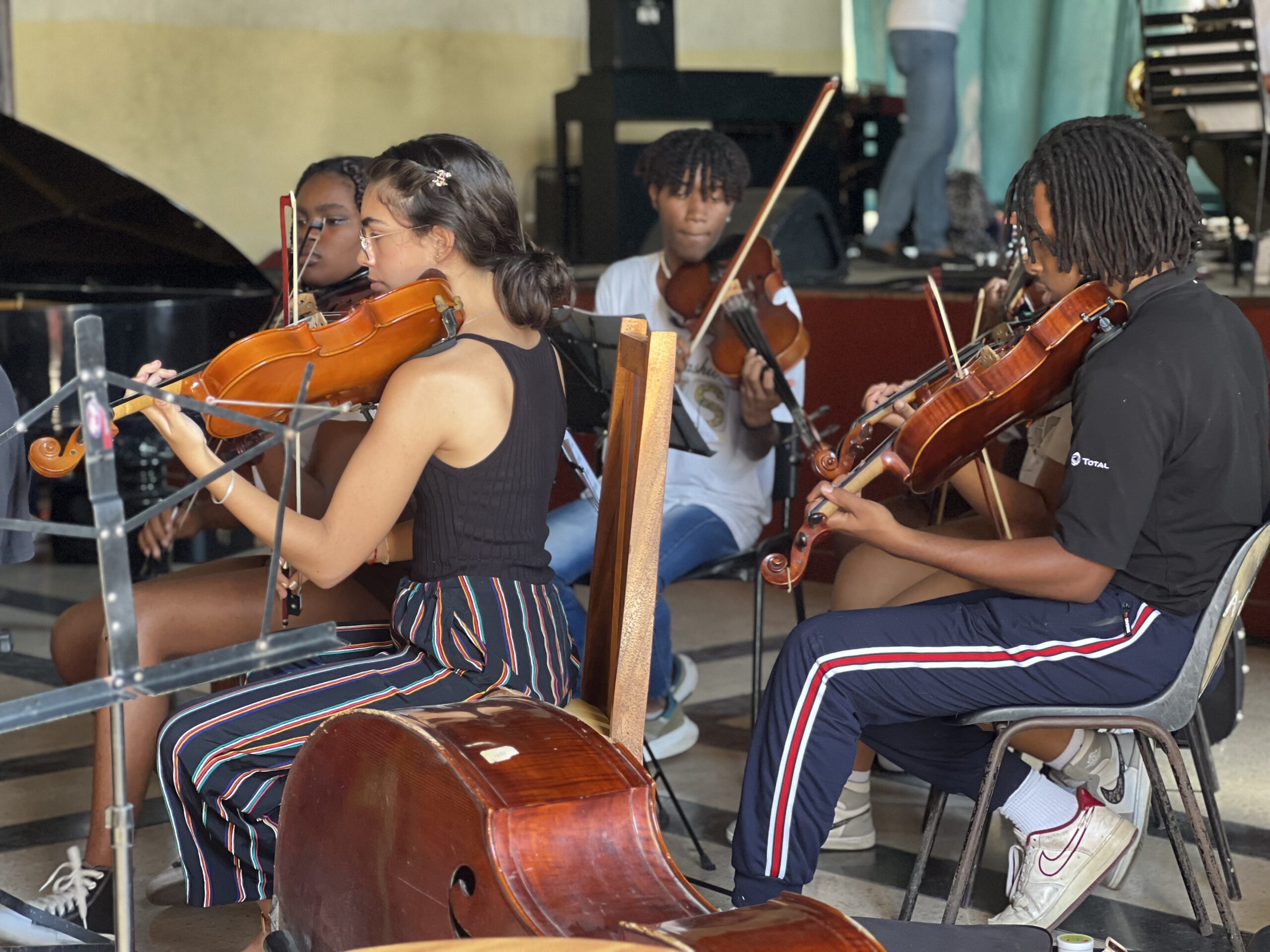
- Resources Are Lost: Without climate control or proper maintenance kits, delicate instruments like violins and woodwinds deteriorate rapidly in the tropical heat.
- Creative Stagnation: Young artists lose the ability to record, arrange, and share their work with the global community, further isolating them from the world.
How We Can Help: Practical, Direct Support
The CreatiVrole Project believes that the most effective way to help is through direct, musician-to-musician support that bypasses bureaucracy and goes straight to the classroom. In this time of crisis, “help” looks like practical tools that provide independence and continuity.
Our focus remains on providing:
- Solar-Ready Gear and Laptops: Tools that allow musicians and students to continue their creative work and education during the frequent and prolonged blackouts.
- Instrument Maintenance Supplies: Strings, reeds, pads, and repair kits that ensure a student’s only instrument remains playable when new ones are impossible to import.
- Support for Local Educators: Helping the teachers who are currently walking miles to school or teaching in darkened classrooms to keep the island’s musical legacy alive.
A Mission of Respect and Solidarity
The story of Cuba in 2026 is one of incredible resilience, but even the most resilient people have a limit. We do not view our work as an intervention, but as a collaboration with peers who are facing extraordinary circumstances.
Helping Cuba today isn’t about political ideology; it is about ensuring that a child in Havana doesn’t have to choose between a meal and their music. It is about making sure that when the lights eventually come back on, the instruments are still in tune and the songs haven’t been forgotten.
Now, more than ever, your support provides the tools that keep Cuban creativity alive through the dark.